
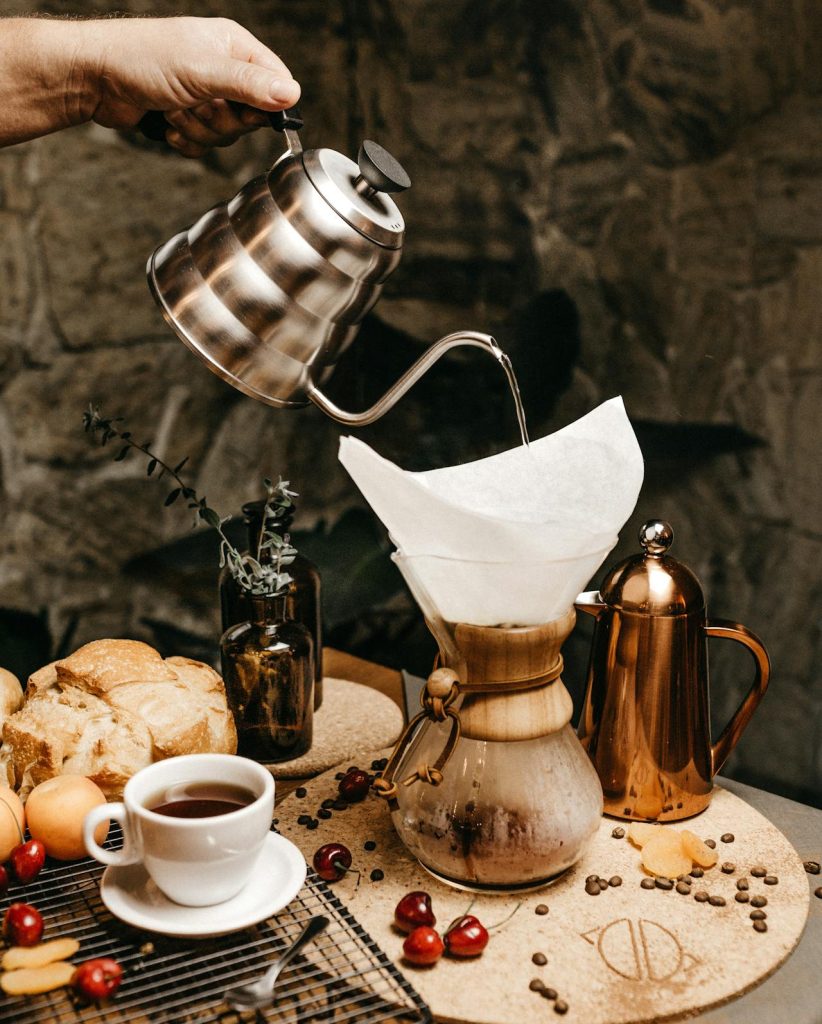
Coffee is an extremely commonly consumed beverage. Many people use coffee to wake up in the morning, and some use coffee as an occasional reward to unwind. Whether your water is clean and perfect, therefore, your coffee will be perfect. Otherwise, it could be flat, bitter, or odd. That is why it matters so much that you understand what type of water is best for coffee.
We’ll be discussing how important water quality is, why water is ideal or horrible for coffee, and how you can improve the water you are now using in this blog post. You’ll know how to make your coffee taste better when you’re done and be able to completely enjoy every last drop.
Why Water Is Important When Making Coffee?
We will start with what happens when you brew coffee. When you pour hot water over coffee beans, it extracts the flavors, oils, and aromas from the beans. We call this process extraction. Water plays a vital role in making a perfect cup of coffee with 98% effect.
Moreover, with fresh water your coffee tastes better, but, if the water is dirty, chemical contaminated, or smells bad, the end result of your coffee is poor taste and quality. On the other hand, minerals in the water can blend with the coffee’s making your coffee taste richer.
What Makes Water Good or Bad for Coffee?
There are a number of reasons why water is appropriate for coffee. It must be:
- Clean and Pure: Not soil, bacteria, and chemicals.
- Taste and smell are neutral: No odd flavor and odors.
- Minerals in balance: The appropriate level of minerals, e.g., calcium and magnesium.
Minerals are tiny pieces of water that alter the flavor of coffee. They function in the same way as spices in an attempt to enhance the taste of the coffee beans. A minimal amount of minerals will make the taste of the coffee rich, but there is a possibility of having an overdose that might make it bitter or sour.
Bad water does have something in it like chlorine, sulfur, or something else that ruins the taste. It also smells terrible, which will destroy your coffee experience. Hard water has much mineral content, and it will clog up residues in your coffee machine and make it perform badly and taste terrible. Soft water, having lower content of minerals, will not be able to extract much flavor from the beans.
Hard Water and Soft Water
You can select the best water for your coffee if you know the difference between hard and soft waters.
Hard Water
Hard water is enriched with calcium and magnesium, making your coffee taste delicious. However, over quantity of minerals in the coffee make effect to make a scale which makes it more difficult to brew. This blend makes the machine less potential and wear it out.
Soft Water
Soft water contains fewer minerals. It won’t ruin your coffee machine and brews a clean cup with it. But it may not bring out all the subtleties in your coffee beans because they lack more minerals. Some people complain that coffee brewed with extremely soft water tastes flat or unsatisfying due to a lack of minerals.
The ideal water for coffee contains just the right minerals to enhance the taste without being an issue. This is generally “moderately hard” water.
How to Discover How Well Your Water Is?
It is a good habit to know what your water contains before you brew. You can make some simple tests to determine whether or not there are impurities or minerals present in the water.
- Test Strips: You can purchase these strips at stores, and they will color according to what is in your water. They can test for chlorine, minerals, and pH.
- If you have your water supplied by a city or community, they typically send you reports of the quality of your water. The reports provide the mineral levels and whether there are any toxic agents.
- Taste and Smell: If your water tastes or smells awful, you should filter it or obtain fresh water.
- Knowing what’s in your water makes you decide whether to filter it or drink bottled water for your coffee.
How to Make Your Coffee Water Better?
Don’t worry if your tap water isn’t the best. These tips will improve it:
Use a Water Filter:
A good quality water filter will remove chlorine, impurities, and unwanted flavors. Various types of filters, including pitcher filters, faucet filters, and inbuilt coffee maker filters, are available.
Use Bottled Water:
If the tap water is not appropriate, purchase pure, clean bottled water. Select bottled water having a fair amount of minerals, neither too much nor too little.
Add Minerals:
People who consume coffee add minerals to the water so that it is more flavorful. You can purchase mineral mixtures, particularly if you are preparing coffee. They assist in preparing the minerals in the appropriate amounts.
Clean the Machine:
Clean your coffee machine from time to time. Minerals can accumulate within the machine and alter taste and performance. To keep your coffee machine as effective as it can be, descale it periodically with vinegar or descaling liquids.
Experiment with brewing employing other waters and compare their flavor. Take note of what is best for you. Buy the finest quality coffee from well-known organic Robusta coffee bean suppliers to make a flawless cup of coffee.
Conclusion: Make Each Cup Unique
In a nutshell, the clean water is supreme when you are brewing the premium coffee. Sourcing high-quality coffee from reputable organic coffee Arabica bean suppliers is as important as the quality of water. The combination of both high-quality water and coffee turns each sip into a magical sip.
Take good care of your water next time you make a cup. Your taste buds will be pleased if you try it, strain it, or use good bottled water. Sunrise Coffee Beans is where you need to begin with your coffee. Every cup tastes wonderful because of its fresh great-flavored beans and good water. Happy brewing!